Bobcat Embroidery Design: A Boutique Review
As an embroidery designer who has spent years refining collections for small clothing brands and Etsy sellers, I approach every new machine embroidery design with a critical eye. Today, I am reviewing the Bobcat Embroidery Design, specifically evaluating its potential for a premium sweatshirt collection. When launching a limited drop for a boutique brand, the choice of artwork is not just about aesthetics; it is about texture, durability, and how the piece translates from a digital file to a tangible, high-value garment.
First Impressions: Mood and Stitching Personality
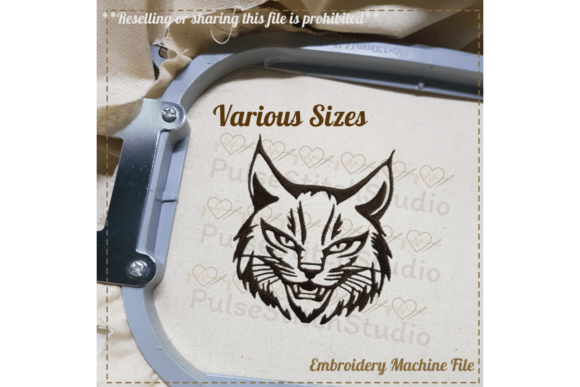
The moment I load the Bobcat Embroidery Design into my digitizing software, the mood becomes immediately apparent. This is not a minimal, single-line sketch; it carries a weight that suggests a bold, rustic, yet playful character. For a brand focusing on cozy seasonal apparel or lifestyle products, this design hits the sweet spot between cute and edgy. The layout appears balanced, offering enough detail to feel premium without becoming overly dense, which is a common pitfall in commercial embroidery.
When visualizing the finished product, the stitching personality shines through. The design seems to utilize varied stitch directions to create depth, mimicking the fur texture of the bobcat. This level of detail is crucial for elevating a simple cotton sweatshirt into a statement piece. For handmade business owners looking to differentiate their inventory from mass-produced items, this intricate detailing provides the necessary "wow" factor that customers expect from a boutique brand.
Fabric Compatibility and Color Strategy
One of the most exciting aspects of this embroidery file is its versatility. While the description notes its use on pillows, tote bags, and framed artwork, my focus today is strictly on sweatshirt embroidery. I am testing how the design interacts with different fabric textures and color palettes commonly used in custom apparel.
On neutral sweatshirts, such as oatmeal, heather grey, or cream, the Bobcat Embroidery Design would likely require thread colors that offer strong contrast. Earth tones like burnt orange, deep forest green, or charcoal grey would enhance the natural, wild vibe of the cat motif. Conversely, on dark fabric, using lighter, metallic, or pastel thread colors could create a striking, modern look that appeals to a younger demographic. The design's structure seems robust enough to handle these high-contrast combinations without losing definition.
For pastel-colored hoodies, often popular in spring collections, the bobcat could be rendered in soft pinks, lavenders, or mint greens. This shift transforms the design from rustic to feminine and playful, making it perfect for a wide range of Cats enthusiasts. The ability to adapt the same digital embroidery file across such diverse colorways makes it a cost-effective asset for small shop products where inventory management is key.
Placement Options for Hoodies and Jackets
When planning a hoodie design, placement is everything. The Bobcat Embroidery Design offers flexibility here. A chest placement creates a classic, logo-like appearance suitable for everyday wear. However, given the detail level, a larger back design could serve as a focal point for oversized hoodies, turning the garment into a canvas. Alternatively, a smaller version on the sleeve could act as a subtle accent, adding a touch of sophistication without overwhelming the wearer.
For jacket applications, particularly denim or heavy canvas, the density of the stitches will need careful consideration. Thicker fabrics can sometimes swallow fine details if the stabilizer is not chosen correctly. I recommend using a cut-away stabilizer for these heavier garments to ensure the embroidery lays flat and maintains its integrity over time.
Technical Considerations for Production
Before committing to a full production run, there are practical concerns every professional must address. First, we must verify the stitch density. If the design is too dense, it can stiffen the fabric, ruining the drape of a premium sweatshirt. If it is too sparse, the image may look pixelated or unfinished. Based on the preview, the density appears manageable, but a test run on the actual fabric swatch is non-negotiable.
Thread color contrast is another vital element. In commercial embroidery, poor contrast leads to a muddy appearance, especially under varying lighting conditions in photography. I suggest running a few test hoops with different thread palettes to ensure the bobcat's features remain distinct. Additionally, checking the hoop size requirements is essential. If the design requires a large hoop, it may limit the types of machines available in your shop or affect the workflow speed.
Small-size readability is also a concern. While the design looks great at full scale, shrinking it down for a pocket patch or a hat might lose the delicate lines of the bobcat's face. Always check the minimum recommended size before scaling down. Finally, washing durability is paramount for apparel. The design must withstand repeated washes without puckering or fraying. Proper tension settings and the right stabilizer are the keys to ensuring the finished product remains pristine after months of wear.
Brand Identity and Market Appeal
For an Etsy seller or a creative entrepreneur, the Bobcat Embroidery Design does more than decorate a shirt; it builds brand identity. A unique, high-quality animal motif helps establish visual recognition in a crowded marketplace. Customers browsing for custom apparel often look for designs that tell a story or evoke a specific feeling. The wild, free-spirited nature of a bobcat resonates well with audiences who value individuality and craftsmanship.
Incorporating this design into your design assets library allows for consistent branding across multiple product lines. Imagine a cohesive collection featuring the bobcat on a sweatshirt, a matching tote bag, and even a framed piece of art for home decor. This cross-category appeal increases customer engagement and encourages higher order values. Furthermore, using a professional-grade machine embroidery design signals quality to the buyer, fostering trust in your brand.
Photography and Mockups
Visual presentation is critical for online sales. When creating printable mockup images or lifestyle product photography, the texture of the embroidery should be highlighted. Close-up shots that show the thread sheen and the slight raised effect of the stitching can significantly increase conversion rates. The Bobcat Embroidery Design lends itself well to these close-ups, showcasing the craftsmanship that sets handmade products apart from printed alternatives.
Final Verdict for Boutique Brands
In conclusion, the Bobcat Embroidery Design is a strong contender for any small clothing brand looking to expand its catalog with high-quality, versatile pieces. Its ability to transition from rustic to playful, and from casual to premium, makes it a valuable addition to your inventory. Whether you are decorating jackets, creating hoodie design accents, or producing limited-edition drops, this design offers the flexibility needed to meet diverse customer tastes.
However, remember that success lies in the execution. Always perform a test run to confirm stabilizer choices, thread tensions, and color contrasts on your specific fabric. Do not assume the design will work perfectly out of the box; take the time to refine the process. By doing so, you ensure that every handmade product leaving your shop meets the high standards your customers expect. With careful attention to detail, the Bobcat Embroidery Design can become a signature piece that defines your brand's aesthetic and drives sales in the competitive world of Embroidery.