Review: Christmas Sock Holiday Embroidery Design
As a designer who spends more time staring at stitch maps than holiday lights, I approach every new machine embroidery design with a mix of excitement and skepticism. We have all been there: you download a festive graphic that looks crisp on the screen, only to watch it turn into a tangled mess of thread breaks and puckering on the fabric. That is why I took a close look at the Christmas Sock, Holiday Embroidery file before committing it to any client work or personal projects. This isn’t just about whether it looks cute; it is about whether it holds up under the needle.
First Impressions and Visual Personality
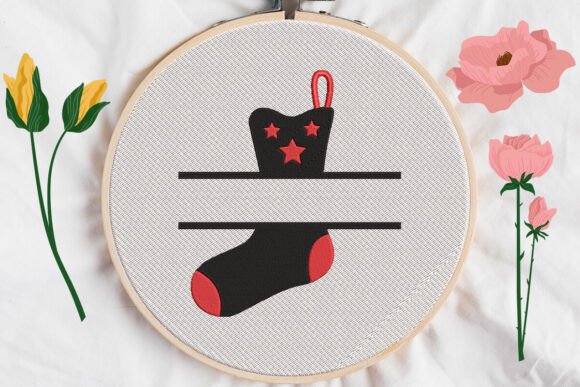
The first thing that strikes me about this Christmas Stocking Embroidery motif is its balanced simplicity. In the world of holiday decor, designs often fall into two traps: they are either so detailed that they lose clarity at smaller sizes, or so generic that they fail to capture the warmth of the season. This design avoids both pitfalls. The silhouette of the sock is classic, instantly recognizable, and carries a nostalgic charm that appeals to a broad audience.
The layout suggests a thoughtful approach to stitch density. From what I can observe in the preview, the design likely utilizes a combination of satin stitch for borders and defining lines, paired with fill stitch areas for the body of the sock. This combination is crucial for creating texture without adding unnecessary bulk. For a holiday embroidery piece, this visual weight feels substantial enough to stand out on a tote bag design but refined enough for delicate baby embroidery projects.
Real-World Application: The Tote Bag Test
To truly evaluate a design, you have to imagine it in a real-life scenario. I recently had a request for a set of reusable gift bags for a boutique client. They wanted something festive but not overly childish. I mentally placed the Christmas Sock, Holiday Embroidery on a natural canvas tote. The result was promising. The design’s proportions fit well within standard hoop sizes, allowing for a centered placement that draws the eye without overwhelming the fabric.
For Etsy sellers and small shop product creators, versatility is key. This design shines in custom apparel contexts as well. Imagine it stitched onto the left chest of a heather grey sweatshirt embroidery project. It acts as a subtle nod to the season rather than a loud statement. Alternatively, scaled down, it could serve as an adorable accent on a personalized gift like a baby’s onesie or a kitchen towel. The adaptability of this embroidery file makes it a strong candidate for various design assets in a crafter’s library.
Fabric and Stabilizer Considerations
However, practical design judgment requires us to look at the limitations. While the design is robust, its performance depends heavily on the substrate. If you are working with textured fabrics like terry cloth or heavy wool, ensure your stabilizer choice is adequate. A cut-away stabilizer is often safer for garments that will undergo frequent washing, such as t-shirts or aprons.
Be cautious with stretchy fabric. If you are applying this to a knit cap or a soft jersey, the fill stitch areas might cause slight pulling if the tension isn’t adjusted. Always test on scrap fabric first. I recommend running a test stitch-out on the exact material you plan to use for the finished product. This step saves you from ruining a costly handmade product and ensures the thread colors contrast correctly against the background.
Commercial Viability and Brand Consistency
For craft business owners, the question is always about perceived value. Does this design elevate the item? I believe it does. The clean lines and professional finish of a well-executed machine embroidery design signal quality to the buyer. When customers see a crisp, well-digitized image, they trust the maker’s skill. This Christmas Sock, Holiday Embroidery contributes to that trust. It looks intentional, not like a afterthought.
If you are creating printable mockup previews for your online store, this design renders beautifully in digital formats. It allows potential buyers to visualize the embroidered patch or direct stitch on their desired item. Whether you are selling digital embroidery file downloads or physical commercial embroidery items, the visual appeal remains consistent. It fits seamlessly into a brand aesthetic that values tradition and craftsmanship.
Technical Notes for the Designer
Before you load this into your machine, keep these practical tips in mind:
- Check Hoop Size: Confirm that the design fits your specific hoop. While it is versatile, ensure you have the correct size for larger applications like pillow covers or wall art.
- Thread Contrast: Test the design in black and white mockups to ensure the details remain visible. High contrast between the thread colors and the fabric is essential for clarity, especially in the smaller decorative elements.
- Licensing Verification: Always check the license terms provided with the digital embroidery file. Ensure you are compliant if you plan to sell finished product items or use the design in commercial projects.
- Detail Inspection: Look closely at the tiny corners of the sock cuff. Dense areas may require slower stitching speeds to prevent thread breaks.
Final Verdict
The Christmas Sock, Holiday Embroidery is a solid addition to any seasonal collection. It balances aesthetic charm with technical practicality. For hobbyists and creative entrepreneurs alike, it offers a reliable option for creating memorable holiday gifts and market-ready goods. Just remember to respect the material you are stitching on, choose your stabilizer wisely, and always do a test run. When executed with care, this design delivers a professional result that enhances the value of your embroidery project and delights the end recipient.