Mama Bow Embroidery: A Designer’s Practical Review
As a designer who spends more time staring at stitch simulations than I do sleeping, I have learned to look past the glossy preview images. When I downloaded the Mama Bow Embroidery file, my first instinct was not to rush to the machine, but to analyze its structural integrity. In the world of machine embroidery, a pretty picture does not always translate to a durable, professional finished product. This design, categorized under Christmas and general gift themes, presents itself as a versatile asset for t-shirts, home decor, and tote bags. But does it hold up under the needle? Let’s break down how this design performs in real-world applications.
First Impressions and Visual Personality
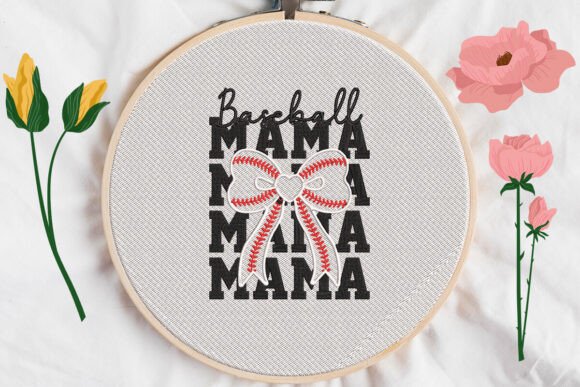
The immediate appeal of Mama Bow Embroidery lies in its balanced composition. It avoids the cluttered aesthetic that plagues many holiday-themed designs. Instead, it offers a clean, recognizable silhouette that reads well from a distance. For an Etsy seller or a small shop owner, clarity is currency. If a customer scrolling through Instagram cannot identify the motif within two seconds, you have lost their attention. This design passes that test with ease.
The mood it creates is warm and nostalgic without being overly saccharine. It feels appropriate for a wide demographic, from new mothers looking for baby embroidery ideas to adults seeking subtle holiday embroidery accents for their home. The layout suggests a thoughtful approach to negative space, which is crucial when working with various fabric textures. Whether you are aiming for a rustic farmhouse vibe or a modern minimalist look, the visual personality of this design adapts surprisingly well.
Real-World Application: The Tote Bag Test
To truly evaluate a machine embroidery design, you must imagine it on a challenging surface. I recently prepared a custom embroidered tote bag using a heavy canvas material. This is where many designs fail due to improper stitch density or lack of compensation for fabric pull. I chose Mama Bow Embroidery for this project because its structure seemed robust enough to handle the thick weave of the canvas.
The stitching process revealed the design’s strengths. The satin stitch elements appeared smooth and consistent, provided the tension was correctly calibrated. On a curved surface like a tote bag handle or a cap, complex designs often pucker or distort. However, the relatively compact footprint of this design allowed for stable hooping. The result was a crisp, professional-looking emblem that elevated a simple cotton bag into a boutique-quality item. For craft business owners, this kind of reliability is essential for maintaining customer trust and reducing waste from ruined blanks.
Versatility Across Product Lines
Beyond tote bags, this design shows promise in several other categories. For custom apparel, such as sweatshirt embroidery, the design scales well. It is large enough to be a focal point on a chest pocket but small enough to fit on a sleeve cuff. For baby clothes, the soft curves of the bow motif feel gentle and appropriate, avoiding sharp angles that might irritate sensitive skin or look too aggressive.
In the realm of home decor, I tested the design on a linen pillow cover. The contrast between the thread colors and the natural fiber created a sophisticated, handmade product aesthetic. It did not look like a mass-produced print; it looked like a personalized gift crafted with care. This distinction is vital for embroidery designers and digital product sellers who rely on the perceived value of handcrafted goods.
Technical Considerations and Stitch Quality
While the visual appeal is strong, a professional review must address the technical execution. The design utilizes a mix of satin stitch and fill stitch techniques. The satin stitches provide shine and definition, while the fill areas add body and coverage. However, users should pay close attention to stitch density. High-density areas can cause puckering on thin fabrics like jersey knits or lightweight cottons.
If you are planning to use this on stretchy fabric, a cut-away stabilizer is non-negotiable. I recommend testing the design on scrap fabric first to determine the optimal stabilizer combination. For textured fabrics, such as terry cloth towels or fleece blankets, the design holds up well, but you may need to adjust the pull compensation settings to prevent the stitches from sinking into the pile.
One area requiring caution is the detailing. While the overall shape is clear, some of the finer interior details might get lost if stitched at a very small scale. If you intend to use this as an embroidered patch or on a small item like a baby onesie, ensure you are using the largest hoop size compatible with your machine to maintain stitch clarity. Tiny lettering or intricate corners can become messy if the machine skips or if the thread tension is off.
Navigating Fabric and Color Choices
Color selection plays a pivotal role in how Mama Bow Embroidery is perceived. On dark fabric, light thread colors pop dramatically, creating a high-contrast look ideal for holiday gifts. On light fabric, deeper tones provide a classic, understated elegance. I advise running a black and white mockup before committing to thread colors. This helps you visualize the value contrast and ensures the design remains legible regardless of the palette.
For those selling digital embroidery files or finished products, consider offering variations. A monochrome version can appeal to modern buyers, while traditional reds and greens fit the Christmas category perfectly. The versatility of the design allows for creative experimentation without losing the core identity of the motif.
Commercial Viability and Licensing
For commercial embroidery projects, understanding the licensing terms is critical. Before listing items on Etsy or selling at craft fairs, confirm whether the license permits unlimited physical sales. Many designers offer different tiers for personal versus commercial use. Since this product comes with multiple embroidery file formats, it is likely intended for broad compatibility, but always read the specific terms provided by the creator.
Using high-quality design assets like Mama Bow Embroidery can enhance brand consistency. When customers receive a product with clean, well-executed stitching, they associate that quality with your brand. This leads to repeat business and positive reviews. In contrast, a poorly digitized design can damage your reputation instantly. This design appears to be digitized with professional standards, minimizing the risk of thread breaks or uneven coverage.
Final Verdict for Makers and Designers
Mama Bow Embroidery is a solid addition to any designer’s library. It balances aesthetic charm with technical practicality. It is not just a decorative element; it is a functional design asset that works across various mediums, from apparel to home decor. For hobbyists, it offers a satisfying stitching experience. For professionals, it provides a reliable tool for creating marketable products.
Remember to always check the specific file formats included to ensure compatibility with your machine. Test on scrap fabric, choose your stabilizer wisely, and respect the limitations of your hoop size. When used correctly, this design delivers a polished, professional result that enhances the value of any handmade product. Whether you are creating a personalized gift for a friend or stocking your online shop with holiday inventory, Mama Bow Embroidery deserves a spot in your rotation.