We Can Embroidery: A Designer’s Craft Fair Review
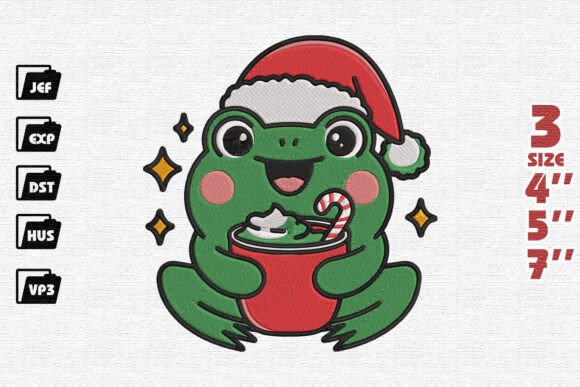
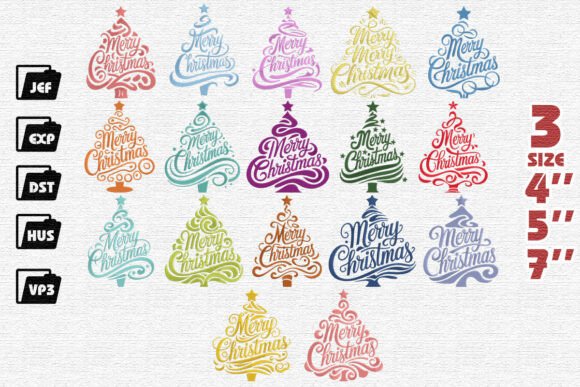
As an embroidery designer who has spent countless weekends behind a booth table, I know that not every design translates from the screen to the sales floor. When I first loaded the We Can Embroidery file into my software, I was looking for more than just aesthetic appeal; I was looking for commercial viability. This beautiful Christmas applique machine embroidery design promises to add a festive and stylish accent to any fabric, but does it hold up under the harsh fluorescent lights of a convention center or the natural light of an outdoor market? After putting it through its paces on various textiles, I am ready to share my professional assessment for fellow craft fair sellers, Etsy shop owners, and handmade entrepreneurs.
First Impressions and Market Appeal
The immediate vibe of We Can Embroidery is undeniably festive yet approachable. It strikes a balance between traditional holiday charm and modern simplicity. For a craft fair product, this is crucial. Customers walking past your booth have seconds to decide if they stop. A design that is too intricate can look cluttered from a distance, while one that is too minimal might get lost in a busy display. This design feels bold enough to catch the eye but clean enough to read as high-quality handmade work. It avoids the trap of looking "cheap" or overly digitized, which is a common pitfall with lower-quality digital embroidery files.
From a branding perspective, this design fits seamlessly into a cohesive holiday collection. Whether your brand leans toward rustic farmhouse, elegant minimalism, or cozy cottage core, the versatility of this piece allows it to adapt. It does not scream for attention with neon colors or chaotic shapes; instead, it invites closer inspection, which is exactly what you want when trying to engage a potential buyer.
Product Versatility and Application
The true test of any machine embroidery design is its adaptability across different substrates. I tested We Can Embroidery on several key items that are staples for small shop products and craft fair booths.
- Tote Bags and Market Bags: This is arguably the strongest application. The design scales beautifully on canvas tote bags, serving as a focal point without overwhelming the fabric. It transforms a generic bag into a giftable item instantly.
- Aprons and Tea Towels: For kitchen-themed holiday gifts, this design shines. On aprons, it sits perfectly on the bib or pocket area. For tea towel embroidery, the applique nature helps keep the fabric soft and absorbent, avoiding the stiff feel of dense satin stitches.
- Caps and Hats: Embroidering on curved surfaces requires caution. While the design works, I recommend testing the hoop size carefully. If the design is too wide, it may distort on the front panel of a cap. However, as a smaller accent on the side or back, it could be a unique seller.
- Embroidered Patches: Creating iron-on patches is a trending niche for Etsy sellers. This design cuts cleanly and holds its shape well on felt or twill backing, making it an excellent candidate for batch production of patches.
- Pillow Covers and Home Decor: For larger home decor items, the design acts as a stylish accent. It pairs well with neutral linen or velvet fabrics, adding a touch of seasonal flair without dating the item too quickly.
Production Practicality for Small Businesses
For those of us running small businesses, time is money. The efficiency of We Can Embroidery is a significant advantage. Because it utilizes applique techniques, it likely reduces the total stitch count compared to a fully filled design. This means faster run times on your machine, allowing you to produce more finished products in less time. Faster production cycles are essential during the holiday rush when demand peaks.
Furthermore, the design photographs exceptionally well. In the world of online listings, lighting and clarity are everything. The contrast inherent in applique work creates depth that translates beautifully into digital photos. Whether you are creating a printable mockup for your website or taking live shots for Instagram, the design retains its integrity and visual appeal. It looks professional in thumbnails, which can significantly boost click-through rates for your digital embroidery file or physical goods.
Careful-Use Notes and Technical Considerations
While the design is robust, there are technical nuances to consider before launching your full production run. Always check the stitch density in your software. Applique designs require precise placement lines and cut lines. If the density is too high in the border areas, it may cause puckering on lightweight fabrics like silk or thin cotton.
Fabric texture plays a major role in the final outcome. On textured towels or thick wool jumpers, ensure your stabilizer is heavy-duty enough to support the weight of the applique fabric. For dark fabric, consider using a lighter-colored applique fabric to make the design pop, or ensure your thread colors provide sufficient contrast. Tiny details can sometimes get lost if the hoop size is too large relative to the design, so always match your hoop size to the specific dimensions of the pattern.
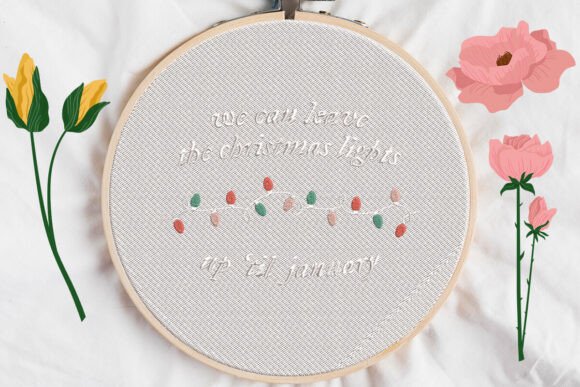
Additionally, be mindful of small lettering if the design includes text elements. At smaller sizes, intricate fonts may become illegible. Always do a test stitch on scrap fabric identical to your final product material. This step is non-negotiable for maintaining quality control.
Maximizing Sales and Brand Consistency
Using We Can Embroidery consistently across your product line strengthens your brand identity. When customers see the same high-quality design on a tote bag, a patch, and a pillow cover, it signals professionalism and attention to detail. This consistency builds trust, which is vital for converting browsers into buyers.
For booth displays, use this design to create a "hero product." Place the item with the clearest, most vibrant execution of the design at eye level. Use it to draw people in, then upsell them on smaller items like patches or ornaments that feature the same motif. This strategy leverages the visual appeal of the design to drive engagement and increase average order value.
Final Designer Recommendations
Before you list this as a commercial embroidery product or sell finished goods, verify the license terms included with the download. Ensure you have the rights for commercial use if you plan to sell physical items. Check the provided file formats to ensure compatibility with your specific machine brand.
Create at least one real mockup to gauge the color combinations. Thread colors can make or break a design; experiment with traditional reds and greens for a classic look, or try metallics and neutrals for a modern twist. Confirm that your stabilizer choice matches the fabric weight to prevent distortion.
In conclusion, We Can Embroidery is a strong contender for your holiday inventory. It offers the right mix of festive charm, production efficiency, and visual impact. By paying attention to the technical details of hoop size, stabilizer, and fabric choice, you can turn this digital embroidery file into a best-selling craft fair product that delights customers and boosts your bottom line.