Mom Cow Embroidery: A Designer’s Craft Fair Review
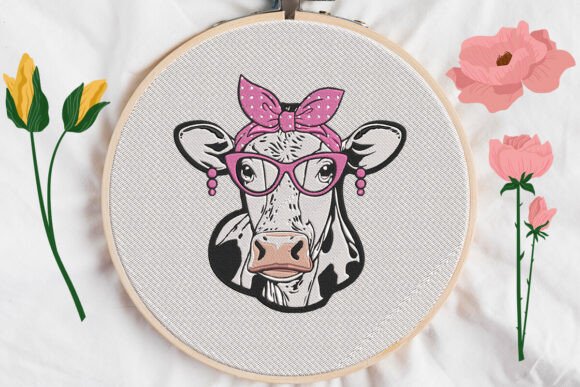
As an embroidery designer who has spent countless weekends behind a booth table, I know that the difference between a browser and a buyer often comes down to visual impact. When I first loaded the Mom Cow Embroidery design into my software, I was looking for more than just cute aesthetics. I was evaluating its potential as a high-converting craft fair product. This design immediately struck me as a perfect blend of whimsical charm and rustic appeal, making it an ideal candidate for the upcoming spring market season.
First Impressions and Visual Appeal
The initial glance at this machine embroidery design suggests a warm, farmhouse-inspired vibe. It does not try too hard to be modern or minimal; instead, it leans into a cozy, handmade aesthetic that resonates deeply with customers looking for authentic handmade products. The concept of a "Mom Cow" is inherently engaging. It taps into the popular trend of animal-themed parenting humor while maintaining a sweet, decorative quality. For a boutique maker, this means the design feels approachable yet premium enough to justify a higher price point on finished goods.
When considering Mother S Day, this design stands out because it avoids cliché floral patterns in favor of something memorable and funny. Customers walking past a booth are drawn to designs that tell a story or evoke a smile. This embroidery file achieves that instantly. It feels bold enough to be seen from a distance but detailed enough to invite closer inspection.
Versatility Across Product Lines
One of the strongest assets of this design is its adaptability. In my experience, a single strong design can carry an entire product line if applied correctly. Here is how I envision using this digital embroidery file across various items:
- Tote Bags: This is perhaps the strongest application. A canvas tote with the Mom Cow centered creates an instant bestseller. It serves as a functional tote bag design that mothers will actually use for grocery runs or library trips.
- Aprons: For kitchen decor and apparel, an apron featuring this design makes for a thoughtful gift. The apron embroidery placement should be central on the bib to maximize visibility when worn.
- Tea Towels: While charming, tea towel embroidery requires careful attention to fabric texture. Terry cloth can distort small details, so I recommend using flat-woven linen or cotton blends to ensure the stitches lay flat and clear.
- Embroidered Patches: Creating iron-on or sew-on patches allows for batch production. An embroidered patch can be made ahead of time and applied to hats, jackets, or pillows at the fair, speeding up transaction times.
- Caps and Hats: Curved surfaces are tricky. If you plan to put this on a cap, ensure the design is scaled down appropriately so it does not wrap around the sides, which can cause puckering.
Production Practicality for Small Shops
For any Etsy seller or small shop owner, time is money. The practicality of producing this design at scale is crucial. From a technical standpoint, the design appears to have balanced stitch density. It is not so dense that it will create a stiff, cardboard-like feel on soft fabrics, nor is it so sparse that the background fabric shows through awkwardly. This balance is vital for maintaining the perceived quality of a small shop product.
However, there are careful-use notes to consider. If the design includes tiny details or small lettering, these may get lost on textured towels or thick denim. I always advise testing the design on scrap fabric first. Check your thread colors against the fabric choice. High contrast works best for visibility; for example, white thread on a dark navy tote or bright pastel threads on a natural canvas. Always confirm the recommended hoop size before starting a batch. If the design is large, you may need a 5x7 or larger hoop, which limits the types of garments you can easily embroider without re-hooping.
Enhancing Brand Consistency and Booth Display
A cohesive booth display relies on repetition and theme. Using Mom Cow Embroidery across multiple product types creates a strong visual anchor. When customers see the same character on a pillow, a bag, and a patch, it reinforces brand recognition. This consistency increases buyer engagement because it signals professionalism and intentionality.
To maximize sales, create a dedicated section in your booth for this theme. Use printable mockup images in your online listings to show the design in context before you even stitch the first item. For commercial embroidery purposes, ensure you understand the licensing terms. Most digital designers allow you to sell finished physical products, but you must verify this before listing items on Etsy or at local markets. Never assume; always read the license included with the design assets.
Technical Tips for Best Results
- Stabilizer Selection: Use a cut-away stabilizer for stretchy fabrics like t-shirts and a tear-away for stable woven fabrics like tote bags. This prevents distortion and ensures the finished product looks professional after washing.
- Thread Quality: Invest in high-quality rayon or polyester threads. Cheap thread can break during long runs or fade after washing, damaging your reputation as a maker of quality goods.
- Test Stitches: Always run a test stitch on the actual fabric you intend to sell. Fabric tension varies, and what looks good on muslin might pucker on heavy canvas.
- Lighting and Photography: When photographing for online listings, ensure the lighting highlights the texture of the stitches. Shadows can hide detail, so use soft, diffused light to showcase the depth of the embroidery.
In conclusion, Mom Cow Embroidery is a versatile and commercially viable design for crafters looking to expand their Mother S Day offerings. It balances cuteness with commercial appeal, working well on a variety of substrates from kitchen textiles to wearable apparel. By paying attention to fabric choice, stabilizer type, and display strategy, you can turn this single embroidery file into a significant revenue stream for your handmade business. Remember, the key to success at a craft fair is not just having a good design, but presenting it on products that customers can visualize themselves using every day.