Review: Christmas Candy Cane Bell Embroidery for Craft Fairs
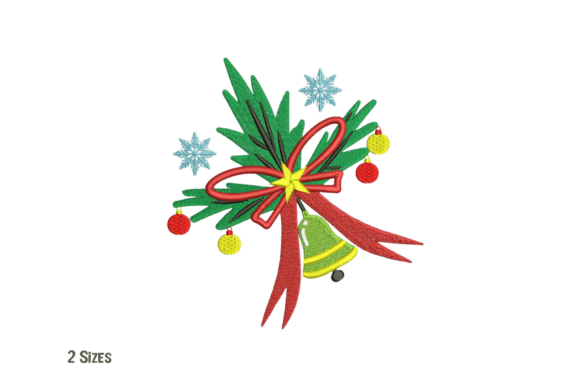
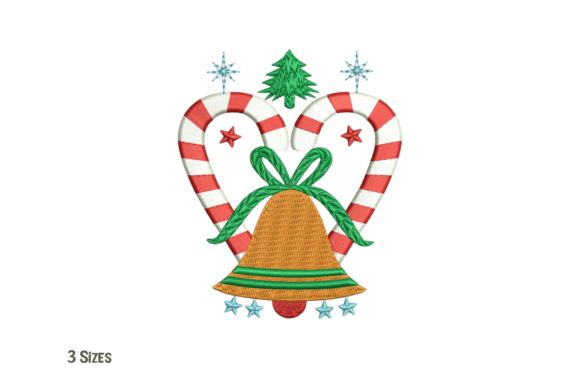
As an embroidery designer who spends countless hours digitizing and testing patterns, I approach every new machine embroidery design with a critical eye. It is not just about how it looks on the screen; it is about how it performs in the real world. When I first loaded the Christmas Candy Cane Bell Embroidery into my software, my immediate thought was about its potential for the upcoming holiday market season. This design, featuring a festive bell tied with a bow and two candy canes, strikes a balance between traditional charm and modern simplicity that is essential for today’s handmade product buyers.
First Impressions and Visual Appeal
The first impression of this design is undeniably festive without being overly cluttered. In a crowded craft fair booth, clarity is king. Customers walking past your table have only seconds to decide if an item catches their eye. The Christmas Candy Cane Bell Embroidery offers a clear silhouette. The bell provides a solid focal point, while the candy canes add vertical interest and recognizable holiday symbolism. It feels decorative yet grounded, avoiding the trap of looking too juvenile or excessively ornate. This versatility makes it a strong contender for a wide range of demographics, from young families looking for cute gifts to adults seeking elegant home decor.
For an Etsy seller or boutique maker, visual consistency is crucial. This design lends itself well to a cohesive brand aesthetic. Whether you are aiming for a farmhouse vibe or a clean, modern look, the lines are distinct enough to stand out against various backgrounds. The inclusion of a bow adds a touch of softness, breaking up the geometric rigidity of the bell and canes, which enhances the overall handmade quality of the finished piece.
Product Versatility for Market Sellers
When preparing for a weekend craft fair, I always evaluate a design based on its adaptability. A single digital embroidery file needs to work across multiple product types to maximize return on investment. Here is how I see this design performing on common craft fair products:
- Tote Bags: As a tote bag design, this motif works beautifully as a central focal point. The vertical orientation of the candy canes complements the shape of a standard tote. It is large enough to be noticed from a distance but not so dense that it weighs down the fabric.
- Aprons and Tea Towels: For apron embroidery or tea towel embroidery, placement is key. This design fits perfectly on the bib of an apron or the corner of a kitchen towel. It adds a seasonal touch to practical items, increasing their perceived value as giftable goods.
- Embroidered Patches: If you offer embroidered patch options, this design’s clear outlines make it ideal for cutting and applying. Patches are low-risk, high-margin items that allow customers to customize their own jackets or bags later.
- Caps and Hats: While possible, curved surfaces require caution. The detail in the bow and the intersection of the candy canes must be checked for distortion on a structured cap. It may work better on a flat-front trucker hat than a fully curved baseball cap.
- Pillow Covers and Pouches: For smaller items like zippered pouches or throw pillow covers, this design serves as an excellent accent. It does not overwhelm the small canvas, maintaining a sense of proportion and elegance.
Production Practicality and Stitch Quality
From a production standpoint, efficiency is vital for small shop owners. Batch production allows you to keep prices competitive while maintaining profit margins. The Christmas Candy Cane Bell Embroidery appears to have a balanced stitch path. However, before committing to a large run, you must consider stitch density. Dense areas, such as the center of the bell or the overlapping sections of the candy canes, can cause puckering if not managed correctly.
I recommend testing the design on scrap fabric that matches your final product material. Pay close attention to the thread colors you choose. High contrast is generally safer for visibility at a market. For example, red and white candy canes on a navy or forest green background will pop significantly more than on a light beige. Always check the spacing between elements to ensure no thread breaks occur during high-speed stitching.
Another critical factor is the hoop size. Since the product description mentions multiple formats, verify which hoop sizes are included. Ensure the design fits comfortably within your most commonly used hoops without requiring excessive re-hooping, which slows down production. For textured fabrics like waffle-weave tea towels, use a strong cut-away stabilizer to prevent the stitches from sinking into the fabric texture.
Marketing and Online Presence
Beyond the physical booth, this design must perform well online. For digital sellers offering the digital embroidery file itself, creating a high-quality printable mockup is essential. Show the design on various items to help customers visualize the end result. For those selling finished goods, photography should highlight the texture of the stitches. Close-up shots that show the sheen of the thread and the precision of the satin stitches can significantly boost buyer engagement.
When listing these items, use terms like commercial embroidery quality and design assets if you are selling the files. For finished products, emphasize the durability and the unique handmade nature of each piece. Buyers appreciate knowing that a human selected the threads and monitored the machine, ensuring a level of care that mass-produced items lack.
Designer Notes and Final Recommendations
Before you launch your holiday collection, take these practical steps to ensure success with the Christmas Candy Cane Bell Embroidery:
- Test on Dark Fabrics: If you plan to use black or dark navy fabrics, ensure the design has enough underlay stitches to prevent the background from showing through the lighter thread colors.
- Check Licensing: Confirm the commercial licensing terms provided with the file. Most designers allow sale of finished physical products, but restrictions may apply to sharing the digital file itself.
- Create Real Mockups: Do not rely solely on digital previews. Stitch out at least one sample on each type of fabric you intend to sell. This helps you identify any tension issues or registration errors.
- Consider Scale: If scaling the design down for small items like ornaments or keychains, ensure the tiny details of the bow do not become indistinct blobs of thread. Simplify if necessary.
In conclusion, the Christmas Candy Cane Bell Embroidery is a versatile and market-ready choice for the holiday season. It balances festive appeal with production efficiency, making it a valuable addition to any small shop product line. By paying attention to fabric choice, stabilizer selection, and strategic placement, you can create standout items that attract attention and drive sales at your next craft fair.