Reviewing Merry Christmas, Xmas Tree Embroidery for Craft Fairs
As an embroidery designer who has spent countless weekends behind a booth table, I know that the difference between a browsing customer and a buying customer often comes down to visual impact. When I first loaded the Merry Christmas, Xmas Tree Embroidery file into my software, my immediate goal was to determine if it had the "shelf appeal" necessary for a busy holiday market. This is not just about whether the design stitches out cleanly; it is about whether it stops a shopper in their tracks. Based on the product description, this machine embroidery design is positioned as a festive, cheerful element suitable for clothing like t-shirts and pajama sets. However, for those of us running small shop products or Etsy stores, we need to look deeper at its versatility for hard goods and home decor.
First Impressions and Visual Appeal
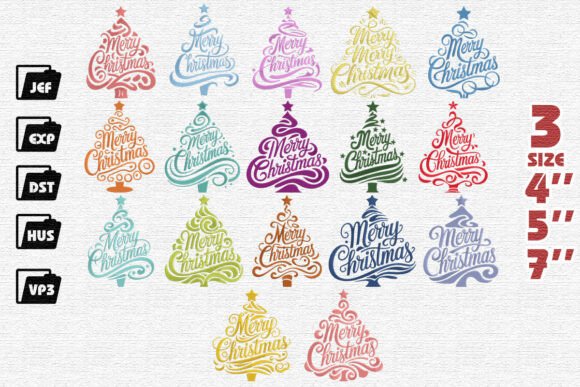
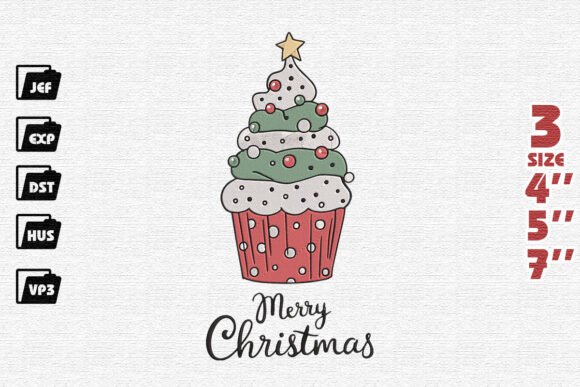
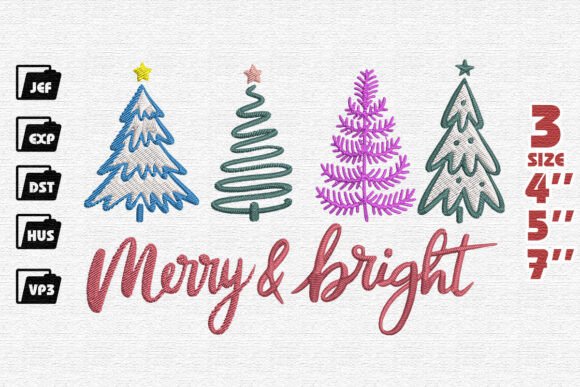
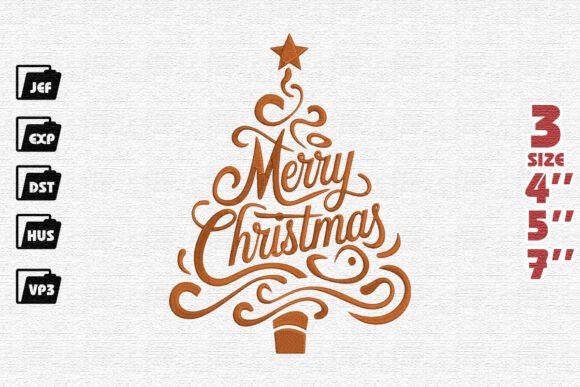
The title itself suggests a classic, recognizable motif. In the world of craft fair products, clarity is king. Shoppers do not have time to decipher abstract art while navigating a crowded aisle. The Merry Christmas, Xmas Tree Embroidery appears to lean into traditional holiday cheer. It feels less like a minimalist modern piece and more like a warm, inviting staple that fits seamlessly into rustic, farmhouse, or classic decorative aesthetics. For a handmade product to succeed during the Q4 rush, it must evoke an instant emotional response. This design promises to spread holiday cheer, which is exactly the vibe buyers are hunting for when they pick up a tote bag or a kitchen towel in December.
When evaluating the visual weight, consider how this design translates from screen to fabric. A tree shape is inherently balanced, making it a strong candidate for both central focal points and smaller accent placements. If the design includes lettering, as suggested by the "Merry Christmas" component, the legibility of that text will be the make-or-break factor. Bold, clear fonts tend to perform better on textured fabrics than delicate scripts, which can get lost in the pile of a towel or the weave of a canvas bag.
Strategic Product Placement for Maximum Sales
While the description highlights t-shirts and pajamas, I strongly advise expanding your production line to include high-margin home goods. Here is how this digital embroidery file performs across various mediums:
- Tote Bag Design: Canvas totes are the bread and butter of many embroidery businesses. Placing this design centrally on a natural or red canvas creates an instant gift item. Ensure you use a heavy cut-away stabilizer to prevent puckering on the large surface area.
- Apron Embroidery: Holiday baking aprons sell incredibly well. Position the tree shape on the bib or the lower pocket. This turns a utility item into a festive keepsake.
- Tea Towel Embroidery: This is a tricky substrate. Because tea towels have a loose weave, you must check the stitch density carefully. If the design is too open, the fabric will show through awkwardly. If it is too dense, the towel will become stiff. Test on scrap fabric first.
- Embroidered Patch: Creating iron-on patches allows customers to customize their own jackets or hats. This design, if scaled correctly, could work beautifully as a standalone patch, adding value without requiring you to embroider complex garments like caps.
- Pillow Covers and Pouches: Small zippered pouches make excellent stocking stuffers. A simplified version of this design can fit perfectly on a 6x6 inch hoop, allowing for quick batch production.
Production Practicalities and Technical Notes
Before you commit to stitching fifty units for your next event, you must address the technical realities of commercial embroidery. The description notes that this is a machine embroidery design, but it does not specify exact stitch counts or recommended hoop sizes. As a professional, I cannot stress enough that you must verify these details in the included documentation.
Pay close attention to stitch density. High-density areas can cause needle breaks or thread bunching, especially on thinner fabrics like pajama material. Conversely, low-density areas may look sparse on thick materials like denim or canvas. You must also consider thread colors. A Christmas tree design relies heavily on green, but the shade matters. A bright kelly green pops on dark navy, while a forest green looks more premium on cream or beige. Always create a real mockup using your actual thread brands to ensure the color contrast meets your brand standards.
Another critical factor is the stabilizer. For a design intended for clothing, a tear-away might suffice, but for items that will be washed frequently, like aprons and tote bags, a cut-away stabilizer is non-negotiable for longevity. If you are stitching on curved surfaces like caps, ensure the design size fits the available hoop area without distortion. Curved surfaces can stretch the design, so test on a similar cap structure before selling the finished product.
Marketing and Online Presentation
For the Etsy seller or digital seller, the visual presentation is just as important as the stitch quality. When listing this as a digital embroidery file or a finished product, your photography must highlight the texture and dimension of the stitches. Use a printable mockup to show potential buyers how the design looks on different items, but always supplement this with photos of the actual stitched output.
Highlight the versatility of the Merry Christmas, Xmas Tree Embroidery in your product descriptions. Mention that it is suitable for both personal use and small shop product lines, assuming the license permits commercial embroidery. Buyers love knowing that a design is versatile. If the design includes small details, warn customers about minimum size requirements to maintain clarity. Transparency builds trust and reduces refund requests.
Final Verdict for the Holiday Season
In conclusion, the Merry Christmas, Xmas Tree Embroidery holds strong potential for craft fair success if executed with precision. It taps into the timeless demand for festive, recognizable imagery. Its strength lies in its adaptability across various fabric textures and product types, from soft pajamas to sturdy tote bags. However, success depends on your attention to detail regarding stabilizer choice, thread contrast, and appropriate sizing for each specific application.
Do not skip the testing phase. Stitch out samples on every type of fabric you intend to sell. Check the back of the embroidery for neatness, as discerning buyers often flip items over to inspect quality. By treating this design asset with professional care and strategic placement, you can transform a simple digital file into a best-selling handmade product that captures the spirit of the season. Remember to confirm all licensing terms before launching your commercial embroidery campaign, ensuring you are fully protected as you grow your creative business.